Sunway University Graduate Featured in The Edge Malaysia: Making Reusable Foodware Mainstream
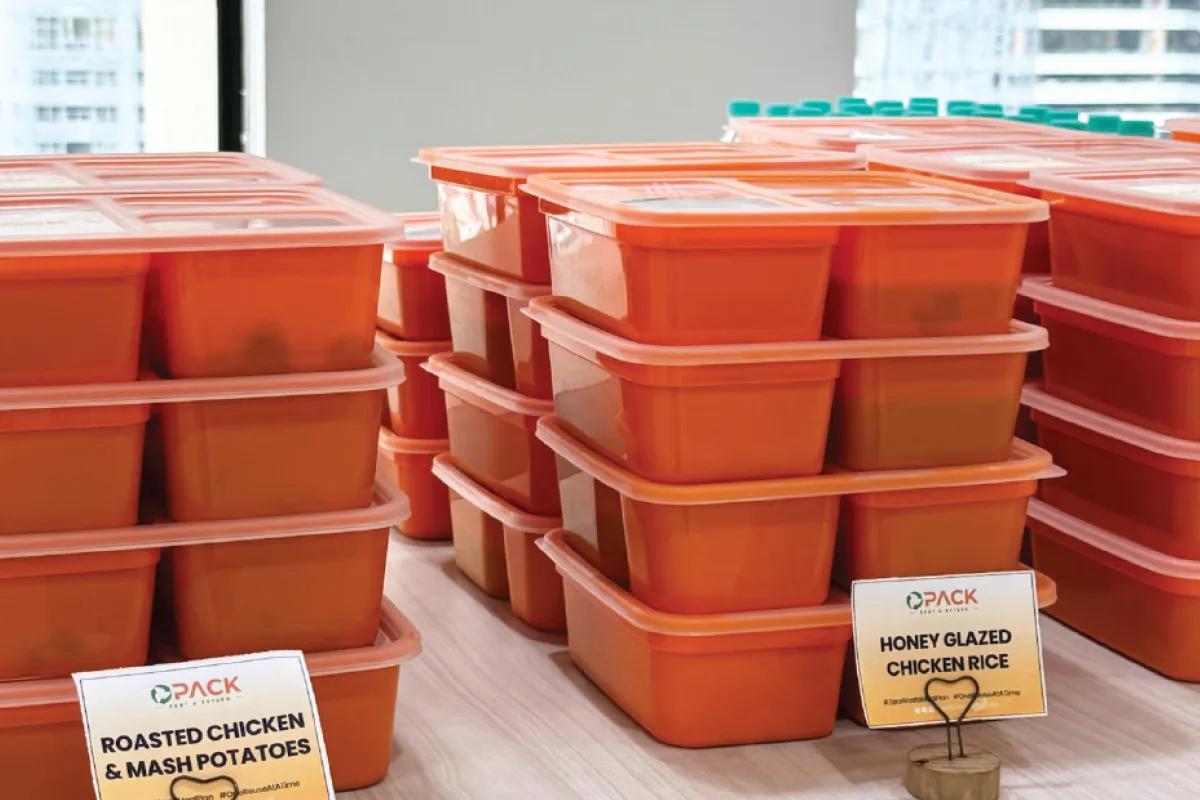
Sunway University graduate Yap Mei Xin was recently featured in The Edge Malaysia for her groundbreaking work in starting the OPACK team. OPACK is a Malaysian sustainable catering solutions company that provides reusable cups and food container systems, aiming to inspire businesses and individuals to adopt their innovative rent-and-return reusability solutions. Below are some extracts from the article:
"Like most Malaysians, Yap Mei Xin noticed a growing pile of plastic containers in her house during the Covid-19 movement control order from food delivery orders. Unlike most people though, Yap found it concerning and set about trying to find a solution to this problem.
At the time, she was studying for a supply chain management degree at Sunway University, with little exposure to sustainability topics, other than the many posters on Sustainable Development Goals plastered around the campus.
“They’re literally everywhere, even in the toilets,” Yap jokes.
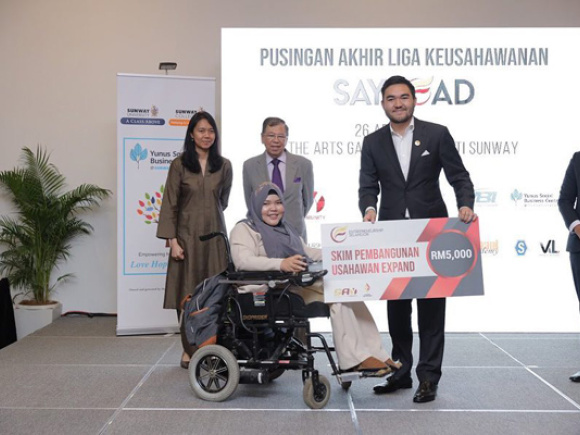
She took the initiative to conduct research into possible solutions, and soon decided on one: a container rent-and-return system that reduces packaging waste from takeaways. She pitched the idea to Sunway iLabs, the innovation lab of Sunway Group, and received a RM5,000 grant for the project.
Yap started by working with canteen operators in the campus. The seed grant was used to buy food containers, which she then placed in various locations within varsity grounds for students and lecturers to use for free. For two weeks, she monitored usage and had planned to collect the used containers to wash.
“The result was surprising. Nobody used the containers. At first, it was thought that concerns would be over the hygiene of the containers or that they might be stolen. But no, people just didn’t care about them,” says Yap.
Convenience, she realised, was more important to them.
An event organiser for a car boot sale in Sentul Depot invited her to set up a stall at the market, offering rent-and-return food containers and cups. Those who used her service would receive a RM1 voucher to spend in the market.
The experience was positive. Yap and her Opack team then began reaching out to other markets, utilising the same model.
But they soon hit a roadblock.
“We thought it was going quite well. But somehow, we couldn’t go beyond a certain number. The best we could get was just 100 [transactions] a day, and that’s not really sustainable.
Luckily, another opportunity presented itself to the Opack team — this time, from corporations that wanted zero waste when catering for internal events. KPMG was its first corporate customer, Yap recalls. Opack provided the containers, cups and cutlery for the company’s events and collected them after use to be washed.
While Opack has come a long way since it started, Yap and her team are eager to tap into new markets, particularly those that serve food and beverages. Catering for events is impactful, but it is often a one-off transaction. To achieve more scale, Yap hopes to work with businesses from the theme park, cinema and airline industries, which have high footfall in an enclosed environment.
“For example, in the cinema, all the food and beverages are just given to you, and after the movie, you throw them away. You can change that to reusable packaging and not much education is needed. The operators can provide the soft drinks in a reusable cup and tell customers to throw it into a bin after they exit the cinema,” she explains.
No deposit is needed because the Opack team has observed over the years that the return rate tends to be higher without it.
“In Malaysia, when you collect deposits, people think they’ve already paid for it … When we don’t collect deposits, the return rate is higher,” says Yap.
Instead, companies purchase the reusable foodware and Opack will customise a solution for them, including by setting up a collection and washing system.
“For instance, a theme park might require different rental mechanisms because it has many food providers,” says Yap.
This will be the focus for Opack this year. A high-hanging fruit, though, is the problem that first triggered Yap to start Opack: single-use plastic packaging from food deliveries.
To read the full article, you may visit the link below:
What's More




Sunway College JB IT Students Bag Silver Awards at DIGITEX 2026 With Innovative AI-Powered Solutions
Two talented teams from Sunway College Johor Bahru's Diploma in…


Sunway International Schools Student - Receives OCLA and Named Top in Malaysia for Cambridge IGCSE History
Sunway International School Kuala Lumpur (SISKL) celebrates the…


Asia ESG Summit advances real-world accountability

Jeffrey Cheah Performing Arts Centre in Sunway City KL set to open this August
Sunway College A-Level Students Excels in Biology Across National and International Platforms
Rethinking Cancer, One Conversation at a Time
Sarawak Startup Shines at LaunchX Demo Day
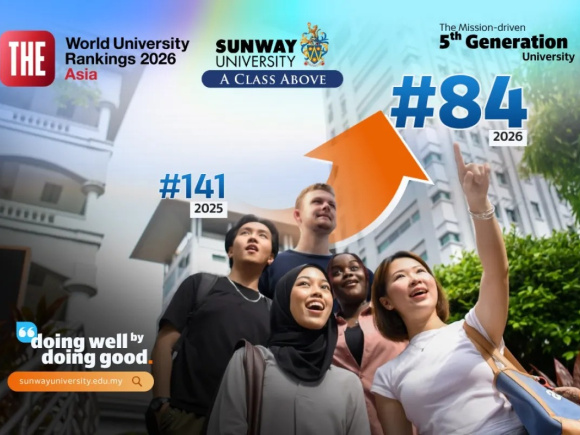
Breaking Into Asia’s Top 100: Sunway University Rises to #84 in THE Asia Rankings 2026
Advancing Inclusive Education Through Community Outreach

Strengthening Collaboration in Aviation and Service Excellence
MoU Signing Ceremony with Embedded LLM
We are pleased to announce that Sunway University and Embedded LLM…
Sunway University Tops Graduate Employability for Fifth Year: The Star
High Achievers Ceremony February 2026: Celebrating Excellence and Academic Distinction
Sunway University Positioned as a Global Education Hub: QS Quacquarelli Symonds
Sunway Business School Industry Advisory Board
Sunway University Among Southeast Asia's Top 5 Institutions: Times Higher Education
Sunway University and Lancaster University Strengthen Global Research Ties Through Future Cities Co-Design Workshop

Eleanor McEvoy Delivers Masterclass at Sunway University
Sunway University Student Nabs 3 Gold Medals in 18th Annual KBC International Inter-School Regatta
Sunway University to Co-Host APAIE2027 Kuala Lumpur
Hosting the National University of Singapore Symphony Orchestra (NUSSO) at Sunway University
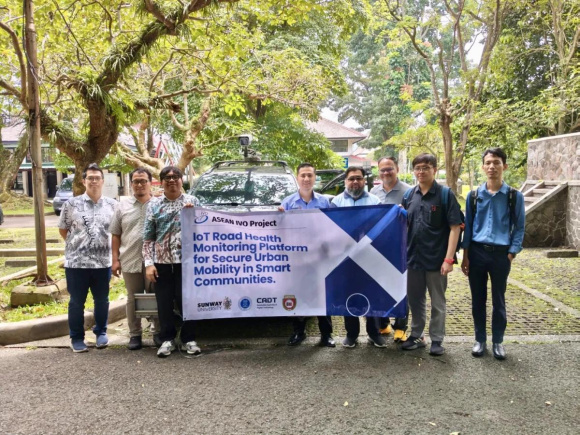
Empowering Urban Communities for Safer Roads through the Internet of Things - One Country at a Time
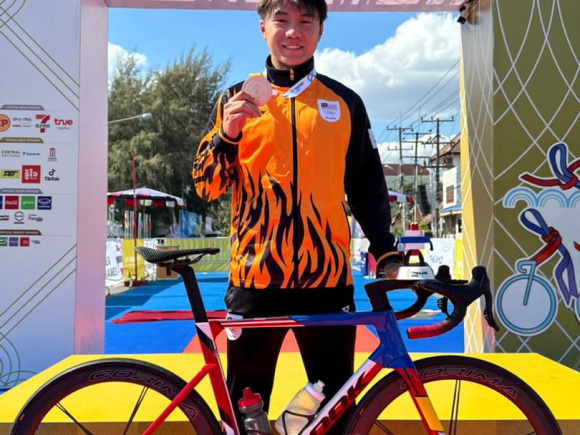
Sunway University Foundation Yap Qi Yi Wins SEA Games Bronze
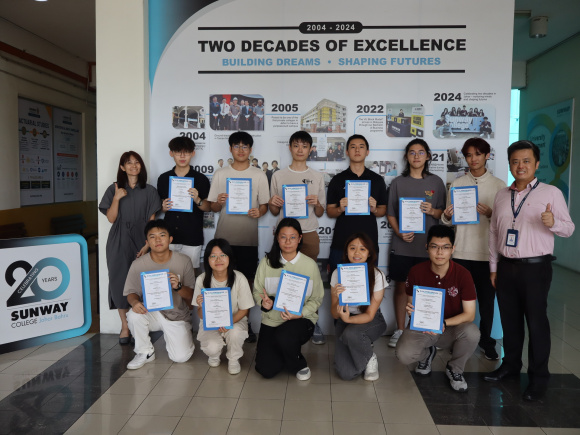
Sunway College JB Students Achieve Medals at National Competitions

Sunway Desa-Mentari Community Development Programme - Ensuring a Safer Community
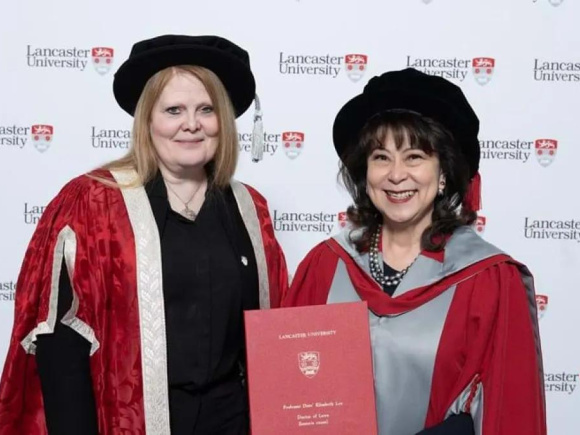
Professor Dato' Elizabeth Lee Conferred Honorary Doctor of Laws in Recognition of Transformational Leadership in Education
Sunway University Named One of the World's Most Sustainable Universities
Sunway University Ranked No. 1 Private University in ASEAN and No. 6 in Asia by AppliedHE
SUSTAIN with Purpose: Sunway University Earns Asia Gold for Sustainability Education at Global QS Reimagine Education Awards
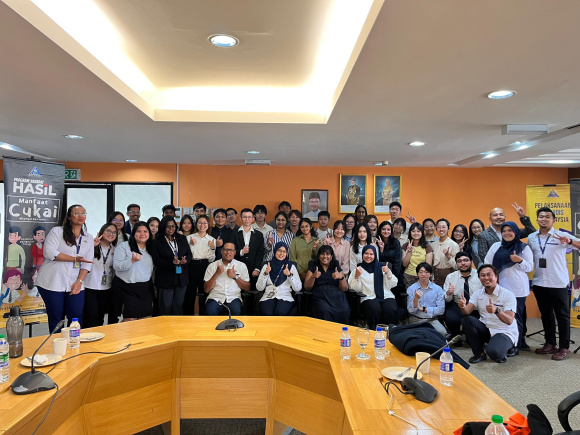
Sunway CPA Student Charter Explore Taxation and Governance with the IRB
The Honourable Stephen Dawson Visits Sunway AUSMAT
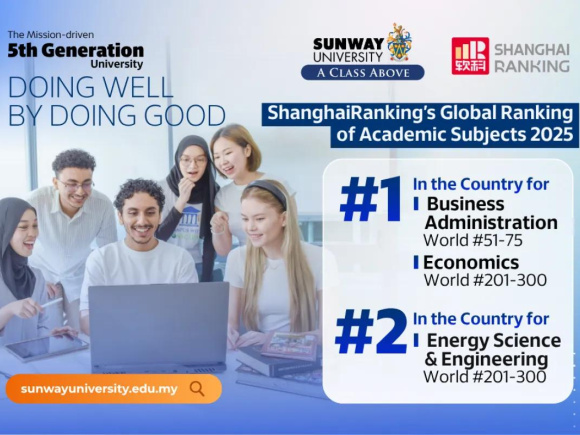
Sunway University Rises to the Top in Shanghai Ranking's Global Ranking of Academic Subjects 2025
Sunway University Press Partners with Le Cordon Bleu

Professor Dato' Dr Elizabeth Lee Named Among Malaysia's Top 30 Women of Excellence
Jeffrey Cheah Foundation Pledges RM500 Million to Establish One of Malaysia's Largest Education Endowments
Sunway University Ascends to #55 in QS Asia University Rankings 2026, Advancing Excellence and Prestige in the Region
The China-ASEAN Innovation Quest 2025
Sunway iLabs and CICC Partner to Advance AI Innovation Across Borders

Sunway University: Rock the Goals 2025
Tan Sri Sir Jeffrey Cheah Pays Courtesy Call on Bangladesh Chief Adviser H.E. Prof. Dr Muhammad Yunus
Jeffrey Cheah Foundation Donates RM5 Million to Establish UKM Chair in Medicine and Public Health Research
Safer Streets, Stronger Community
Jeffrey Cheah Foundation and Un-sdsn Launch Nationwide Sustainable Development Education Programme
The Jeffrey Cheah Foundation and the UN Sustainable Development…

‘Unlearn habit of plastic use’
ONE of the most irksome sights is seeing plastic waste…
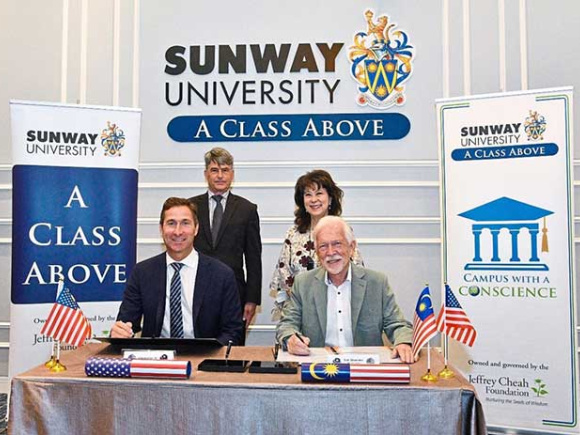

Professor Elizabeth Lee Named Honorary Fellow At Wolfson College, University Of Cambridge
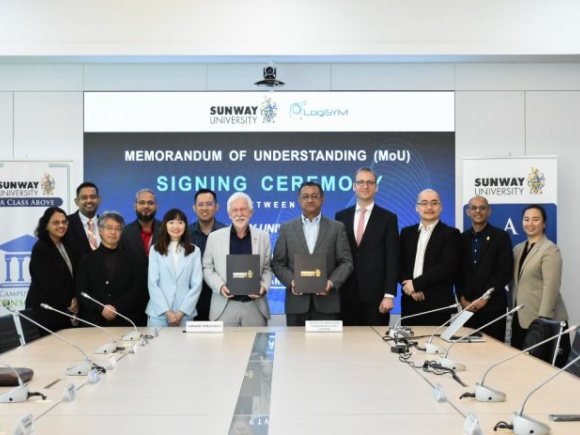
Sunway University Seeks To Elevate Supply Chain Profession In Malaysia
Source by …
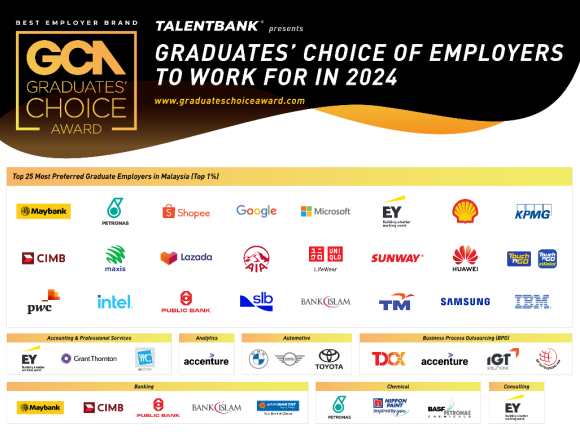
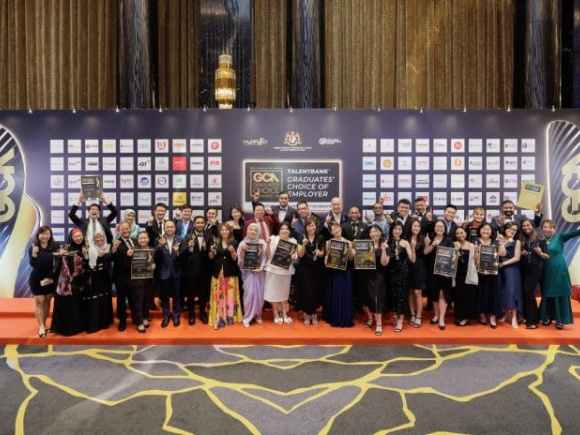
Talentbank unveils Malaysia's top employers to work for in 2024
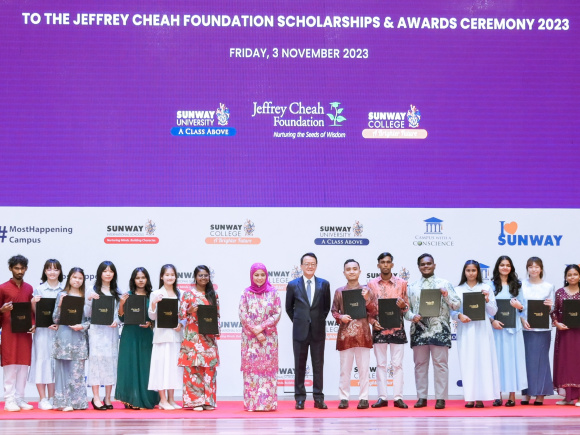
Jeffrey Cheah Foundation Awards RM52 Million in Scholarships for 2023

Hopping into a Better and Brighter Year of the Rabbit
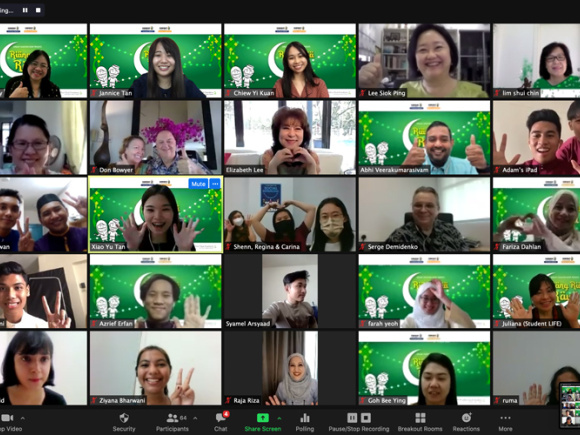
Sunway Education Group Riang Ria Raya 2021

Jeffrey Cheah Distinguished Speaker Series: